
Home
1830
1839-05-11: Ontario passes “An Act to Authorise the Erection of an Asylum within this Province for the Reception of Insane and Lunatic Person.”
1860
1865: First proto-eugenics articles by Francis Galton in MacMillan's Magazine
1866-02-20: Gregor Mendel publishes his paper, “Versuche über Pflanzenhybriden”
1867: Ugly Laws
1867: Canadian Constitution Act gives federal parliament legislative authority over "Indians, and Lands reserved for Indians"
1869: Galton publishes Hereditary Genius
1870
1870: Canadian Residential Schools in operation
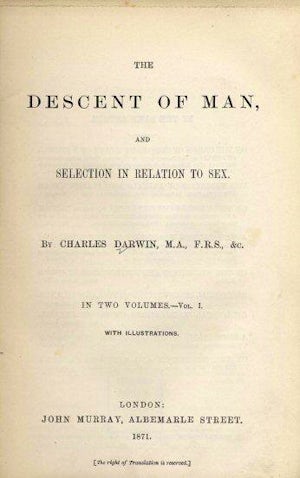
1871: Charles Darwin publishes The Descent of Man

New York sterilization law deemed unconstitutional as a result of Frank Osborn v. Lemon Thomson, Charles H. Andrews, William J. Wansboro; sterilizations cease.

New York sterilization law deemed unconstitutional as a result of Frank Osborn v. Lemon Thomson, Charles H. Andrews, William J. Wansboro; sterilizations cease.

1918. On April 16th 1912, the New York Legislature passed a law that allowed for the legal sterilization of people living in state institutions for the insane, confirmed criminals, feeble-minded, and the dependent. The purported motivations for the law were part eugenic, part therapeutic (Laughlin, p.144). In short, the legislation outlined that if an individual resided in an state institution for the mentally ill or disabled, was deemed to meet certain conditions, e.g., have a undesirable hereditary mental trait, by a "Board of Examiners", then they could be sterilized (Laughlin, p. 26).

Frank Osborn was a resident of just such a state institution for the mentally disabled or ill, the Rome Custodial Asylum. Frank was deemed by the physicians at the institution to be feebleminded. His case therefore went before the Broad of Examiners. The Board decided that Frank needed to sterilized, and so issued an order. However, Frank protested and a court case followed.

The case, know as Frank Osborn v. Lemon Thomson, Charles H. Andrews, William J. Wansboro (those composing the Board of Examiners), challenged the constitutionality of the sterilization law under which Frank's procedure was issued. The challenge was that the sterilization law, the legislation empowering Frank's sterilization order, violated Frank's Section 1, Article XIV, of the Constitution of the United States, right to fair and equal protection under the law. The argument was that the law was unequally being applied to some people (those like Frank living in an institution) and not to others (those living in the society at large).

After a lengthy trial, and several reviews and appeals, the courts agreed that the New York sterilization statute denied equal protection of the laws guaranteed by fourteenth amendment. More specifically, the decision of the courts was that statute was "unconstitutional and invalid" and issued an order in which the Board of Examiners was "perpetually enjoined and restrained from performing or permitting to be performed, aforesaid threatened operation" (Laughlin, p.144). In other words, all sterilization procedures were to be stopped.

The importance of the case was that it was one of the first legal challenges made to sterilization legislation in the United States. Although not directly resulting in repeal of the legislation--the sterilization law was not repealed by the legislature until May, 1920 due to the case being under review--it did halt sterilizations and motivated the repealing of the law. The case also helped set a precedent, along with others, for legal challenges made to sterilization laws on the basis of violation of Article XIV of the constitution (e.g., cases in Michigan and Washington) (see Laughlin, 1922, pp. 142-147)

-Luke Kersten

  • Laughlin, H.H. (1922). Eugenical Sterilization in the United States. Chicago: Municipal Court of Chicago.

New York sterilization law deemed unconstitutional as a result of Frank Osborn v. Lemon Thomson, Charles H. Andrews, William J. Wansboro; sterilizations cease.

New York sterilization law deemed unconstitutional as a result of Frank Osborn v. Lemon Thomson, Charles H. Andrews, William J. Wansboro; sterilizations cease.

1918. On April 16th 1912, the New York Legislature passed a law that allowed for the legal sterilization of people living in state institutions for the insane, confirmed criminals, feeble-minded, and the dependent. The purported motivations for the law were part eugenic, part therapeutic (Laughlin, p.144). In short, the legislation outlined that if an individual resided in an state institution for the mentally ill or disabled, was deemed to meet certain conditions, e.g., have a undesirable hereditary mental trait, by a "Board of Examiners", then they could be sterilized (Laughlin, p. 26).

Frank Osborn was a resident of just such a state institution for the mentally disabled or ill, the Rome Custodial Asylum. Frank was deemed by the physicians at the institution to be feebleminded. His case therefore went before the Broad of Examiners. The Board decided that Frank needed to sterilized, and so issued an order. However, Frank protested and a court case followed.

The case, know as Frank Osborn v. Lemon Thomson, Charles H. Andrews, William J. Wansboro (those composing the Board of Examiners), challenged the constitutionality of the sterilization law under which Frank's procedure was issued. The challenge was that the sterilization law, the legislation empowering Frank's sterilization order, violated Frank's Section 1, Article XIV, of the Constitution of the United States, right to fair and equal protection under the law. The argument was that the law was unequally being applied to some people (those like Frank living in an institution) and not to others (those living in the society at large).

After a lengthy trial, and several reviews and appeals, the courts agreed that the New York sterilization statute denied equal protection of the laws guaranteed by fourteenth amendment. More specifically, the decision of the courts was that statute was "unconstitutional and invalid" and issued an order in which the Board of Examiners was "perpetually enjoined and restrained from performing or permitting to be performed, aforesaid threatened operation" (Laughlin, p.144). In other words, all sterilization procedures were to be stopped.

The importance of the case was that it was one of the first legal challenges made to sterilization legislation in the United States. Although not directly resulting in repeal of the legislation--the sterilization law was not repealed by the legislature until May, 1920 due to the case being under review--it did halt sterilizations and motivated the repealing of the law. The case also helped set a precedent, along with others, for legal challenges made to sterilization laws on the basis of violation of Article XIV of the constitution (e.g., cases in Michigan and Washington) (see Laughlin, 1922, pp. 142-147)

-Luke Kersten

  • Laughlin, H.H. (1922). Eugenical Sterilization in the United States. Chicago: Municipal Court of Chicago.